
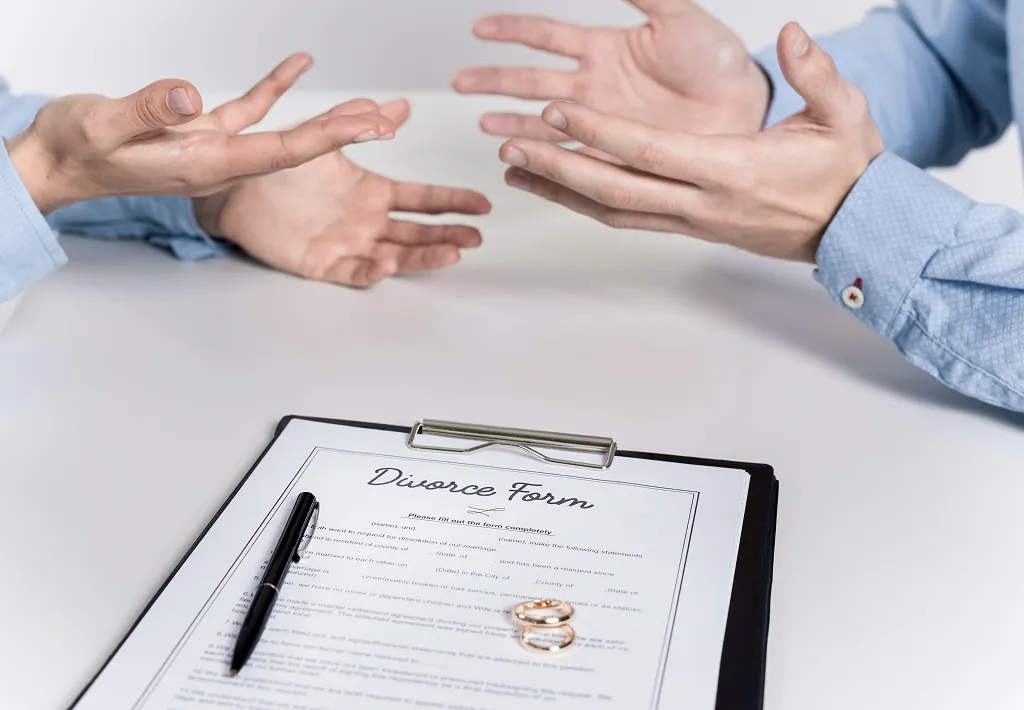
If you are getting a divorce, one of your biggest anxieties may be going to court. Perhaps you are thinking you will have to see your spouse in front of a court or take time off work for a hearing.
The good news is? There are divorces in New Jersey that do not require a trip to court.
If you and your husband can resolve the major difficulties, the court may allow you to obtain your divorce simply by completing forms. But there are guidelines to be followed, and not every case will make the cut.
So, how does a divorce without going to court NJ work? Here’s what you need to know before you file.
How Divorce Without Going to Court Works in NJ
There are some New Jersey couples who can end their marital relationship through paperwork. The court issues a divorce based on the paperwork, which the court refers to as divorce.
You don’t have a hearing; you just send the forms in for a judge to look over. If everything is in accordance with the court’s guidelines, the judge can approve the divorce.
However, not attending court does not mean not following the law. Still, you must apply to get married and adhere to all the legal requirements.
The judge may also ask you to come to a hearing if it is necessary. So, divorce without court appearance NJ is possible and not obligatory.
When Both Sides Agree, Court May Not Be Needed
An uncontested divorce in NJ is a divorce in which both parties to the marriage choose to dissolve it and find mutual agreement on the big decisions.
For example, if you and your husband reach an agreement with each other on a parenting plan and property plan. Worries you may have may not require a trial to solve.
But if you don’t agree on a big matter, you may need a longer time to work out an agreement.
If you’re able to overcome those disagreements, your divorce can be uncontested. This makes the subsequent steps much easier if this is possible.
How Does Divorce on the Papers Work?
New Jersey has a process for certain default and uncontested divorces. It allows a judge to finalize a divorce without appearing in person.
Under New Jersey Judiciary Directive #01-25, eligible spouses may file written submissions to seek a court review of their case.
The judge reviews the papers and decides whether to allow the request.
However, both spouses must comply with the applicable rules. The court can still order a hearing as well.
The judge’s role is not eliminated by the process. Instead, it may make it unnecessary for you to appear in person or by video.
The Uncontested Divorce Process in NJ
An uncontested divorce process in NJ requires various legal actions. Every case is different, but most of them are alike.
Step 1: Get a divorce
First, one spouse files a complaint for divorce in the Superior Court of New Jersey.
You have to follow the filing rules of the state, including residency requirements. You also have to name a legal reason for divorce.
Step 2: Inform Your Spouse
Then you need to make sure your spouse receives proper legal notice.
Then your spouse gets a chance to reply. Even if both parties agree, the court still needs the right filing steps.
Step 3: Agree on your Conditions
You and your spouse should resolve difficulties related to money, property, and children.
You may put these words into a written marital settlement agreement. But read the terms before you sign anything.
Step 4: File Your Papers
Then you can apply for divorce without attending court.
The required filings vary depending on your case. They can include a certification, a proposed judgment, and other supporting records.
Step 5: Await Court Review
In the end, a judge looks at the submitted papers.
If the judge approves, the court may enter a final divorce judgment. Otherwise, the court may request further information or hold a hearing.
Documents Needed for Divorce Without a Court Appearance in NJ
Depending on your case and your spouse’s response, there are documents you will need.
If the divorce is uncontested and is eligible for such a streamlined process, the court may expect to see:
- Certification in Support of Judgment of Divorce Without a Court Appearance (Form CN 12620)
- Proposed Final Judgment of Divorce
- A signed marital settlement agreement, if applicable
- Copies of earlier orders that resolve key issues, when applicable
- Other required forms and supporting documents
Other forms apply if you request a name change.
Please make sure to check the latest criteria before submitting documents. It will result in incorrect information if you don’t provide paperwork, and will delay the case. Even if the couple agrees, this is an important aspect of preparation.
The Mediation Process For resolving Issues in Divorce Cases
A way to settle divorce matters without a court having its say is with mediation.
Mediation is a process in which you and your spouse meet with a neutral third party to discuss your problems.
In some cases, a negotiated agreement on property, debt, or parenting time will be necessary.
The mediator helps to direct those discussions. The mediator, however, doesn’t make the decision for you. If you have agreed to terms, you can use it to help you complete your divorce. The legal process still needs to be followed.
Additionally, each spouse can also seek legal counsel prior to signing. Your lawyer will be able to tell you the impact that the agreement has on your rights.
Is There A Time You Might Still Encounter A Judge?
What you may think is: do you have to go to court for an uncontested divorce if both agree?
Not always. However, the judge can require a court appearance.
Attending a hearing might be necessary if:
- There are missing or ambiguous details in your documents.
- The court requires additional details.
- One spouse disputes the proposed terms.
- The judge determines that a hearing is required.
Avoiding a trial is not the same as avoiding a hearing. Even if you resolve all of the issues, you still have to go to court.
Therefore, don’t think that every court appearance will be eliminated by an agreement alone.
When Your Spouse Doesn’t Respond
If your spouse does not respond to the divorce complaint, you still have options.
In New Jersey, some uncontested divorce cases can be done on paperwork only.
But you need to show you gave proper legal notice. You also need to meet the requirements for a default judgment.
Your request will be reviewed by the judge before they make a decision.
So a spouse’s silence does not mean you automatically get a divorce. The final judgment still needs court approval.
Things to Know Before Choosing Divorce Without Court
Many couples want to avoid courts as they can be unpleasant and stressful experiences.
But the best way to do it is contingent upon your marriage, economy, and family needs.
Think about how the terms might affect your future before you agree to anything. A fast divorce can cost you vital rights.
A skilled New Jersey divorce attorney will review your case and lay out the options you have.
Need Legal Advice With Your Divorce or Separation?
Ending a marriage doesn’t always require a court appearance. All that said, you still need to protect your rights and follow New Jersey law.
At The Law Office of Jennifer J. McCaskill, LLC, we assist clients in understanding their divorce options and moving forward.
Our Monmouth County divorce attorneys can explain what to expect whether your case is contested or uncontested.
Give us a call at (732) 747-1882 for your free case evaluation. We’re here to help you make informed choices for your future.